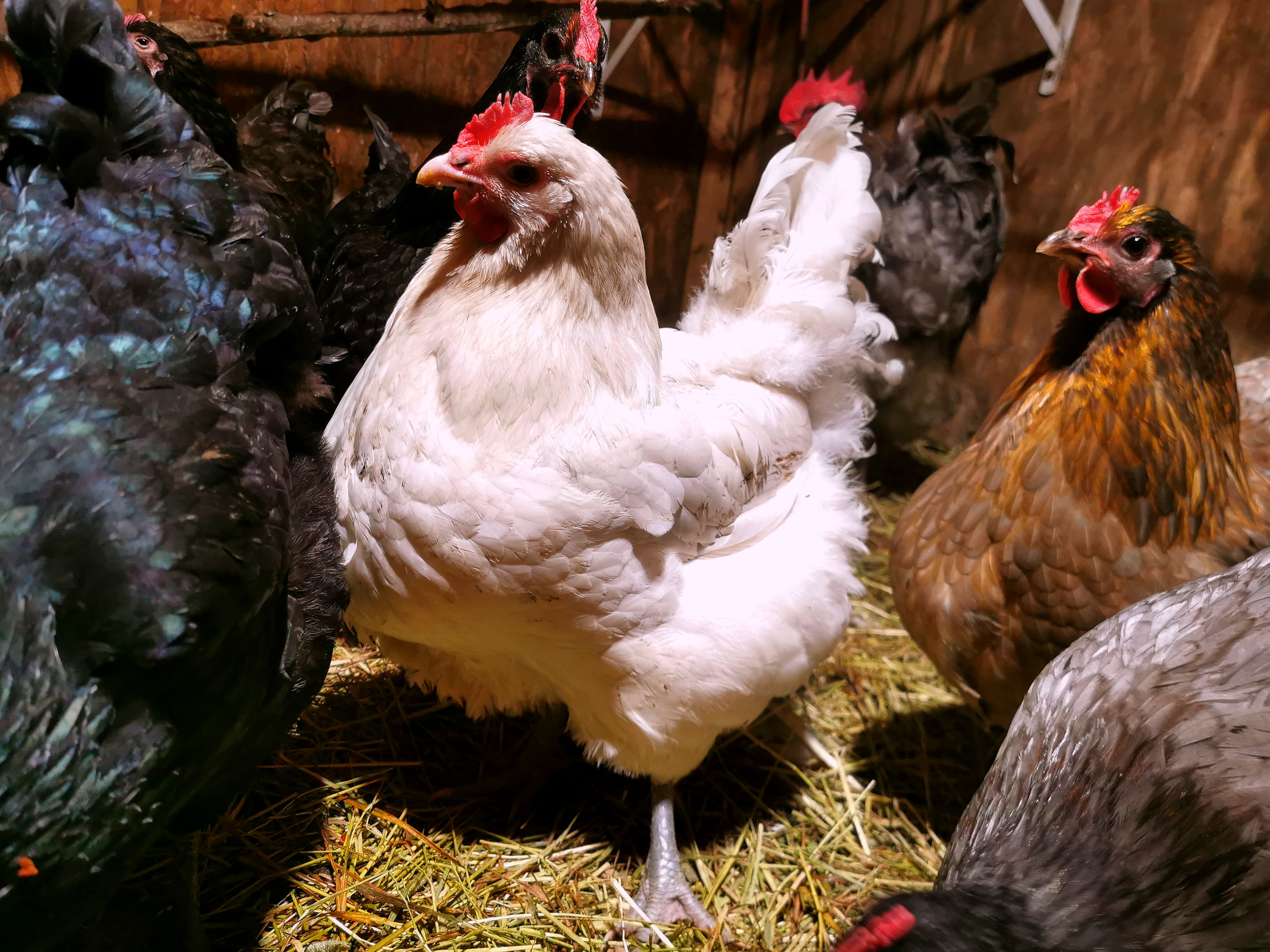
📷 Video Guide Vidéo https://youtu.be/uL07tHkBYUQ
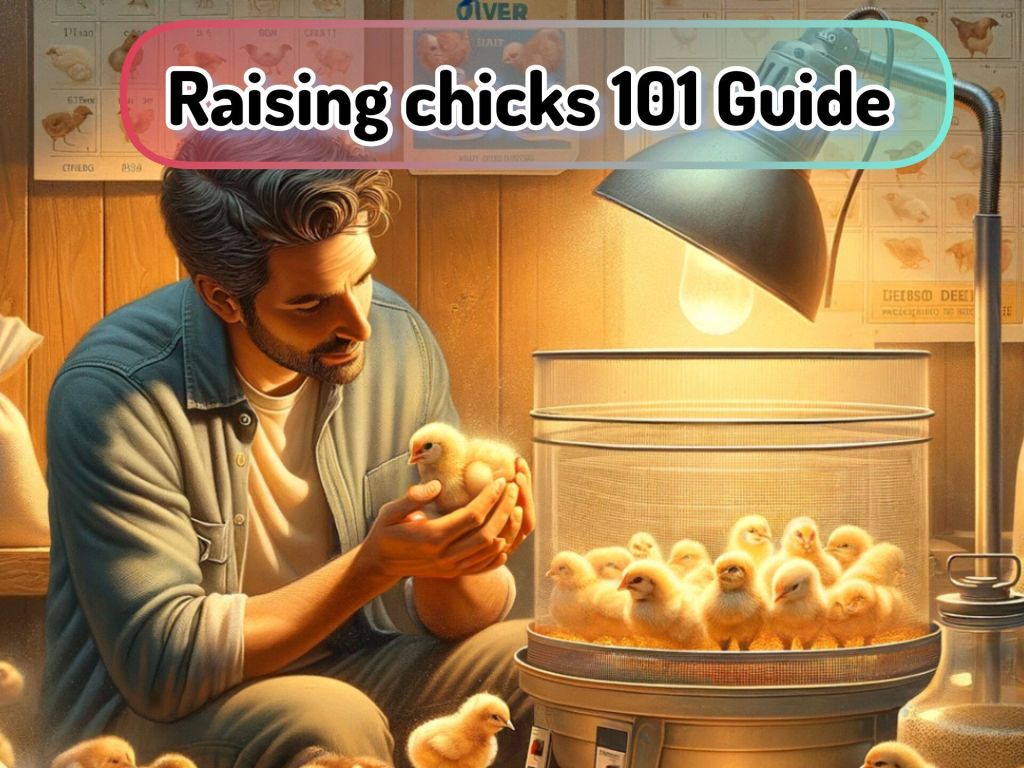
Comment s’occuper des poussins
Le plus important, avoir une poussiniere ; un bac, un aquarium, une cage, isolé (sans courants d’air) . Préférablement dans la maison, pièce chauffée et pas humide. Pas dans un sous-sol pas chauffer ou un garage qui s’ouvre tjrs.
Premières 4 semaines 35 celicus en tout temps sous la lampe chauffante, et une zone plus froide a l’autre extrémité , avec l’eau fraîche. Aillez un thermomètre dans la poussiniere pour confirmer la température ambiante.
Ne pas sortir les poussins de la poussinière pour manipulation les 3 premières semaines. Ils ont besoin de dormir beaucoup et les sortir de la chaleur va leur donner froid et du stress. Parfois au point de les tuer.
La cause #1 de maladie chez poussins c’est la pneumonie, ils ont eu froid, ils commence à mourrir de pneumonie dans les 12 hrs.
Si vous entendez les poussins faire des cris aigus, forts et répétitifs, c’est un signe qu’ils ont froid.
Les poussins devront rester au chaud et au sec jusqu’à ce qu’ils aie toutes leurs plumes, 2-3 mois selon leur débit de croissance.
Nourriture pour poussin Organic croissance de bonne qualité .
Eau purifiée avec electrolytes et vitamines. Changé tous les jours. L’eau devrait être seulement quelques pouces de profonds, car ils peuvent s’y noyé.
La poussiniere devrait contenir de la rip, copeaux de bois ou foin. Changer dès qu’il est souillé. (1-2 x par semaine )
Meilleures sont les conditions de vie, plus rapidement ils se rendront a maturité.
Le vendeur certifie que l’animal est en bonne santé au moment de son départ. Il est de la responsabilité de l’acheteur de s’assurer que l’environnement convienne à l’évolution des poussins. Trop de facteurs extérieurs pouvant altérer la santé et la vie de poussins fragiles, le vendeur se dégage de toute responsabilité une fois les animaux ayant quitté la propriété.
Le vendeur demeure disponible pour répondre aux questions de l’acheteur dans les jours suivant l’acquisition.
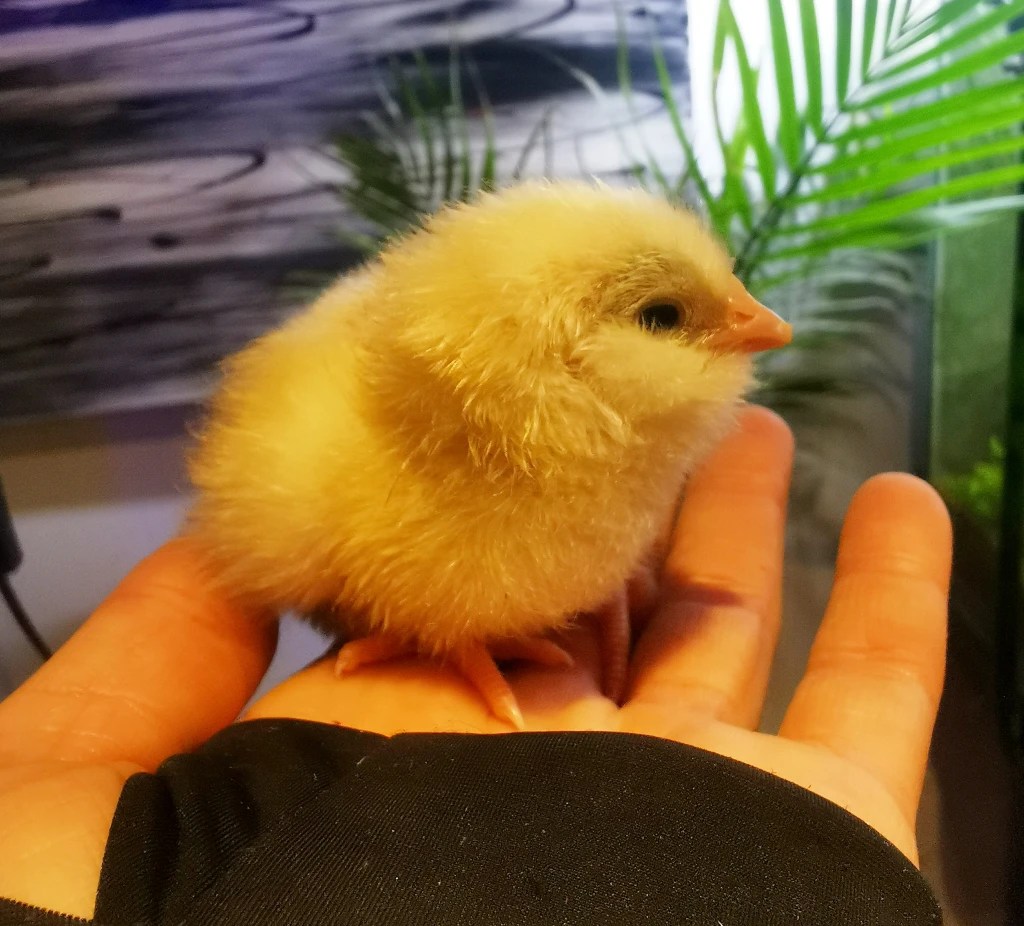
How to care for Chicks
The most important part is to have a chick Brooder, which can be a large rubber maid box, an aquarium, or an isolated cage, without any cold breeze passing through.
Keep it in a heated and dry room, not in a windy garage or cold damp basement.
For the first 4 weeks, keep them under a heat lamp at 35 Celsius at all times; with a thermometer to confirm that temperature. On the other side, have an area cooler away from the light, where to keep their fresh water and have a spot to get away from the heat if needed.
Do not take chicks out of the brooder to handle for the first 3 weeks. They need to sleep a lot and taking them out of the heat will make them feel cold and stressed. Sometimes to the point of killing them.
#1 cause of illness in chicks is pneumonia, caused by lack of warmth and humidity. It only takes chicks 12 hrs to die from these conditions.
If you hear the chicks making loud high pitched repetitive noises, it’s the first sign they are cold.
The chicks will have to stay in a warm, dry area until they have all their feathers. 2-3 months varying on their growth rate.
The chicks must be fed good quality Organic growth food.
They must have access to fresh water, changed daily, with added vitamins and minerals. The water must only be a few inches deep as newborn chicks can drown.
The Brooder box should contain wood chips or hay and be changed 1-2x weekly as it gets dirtier.
The better their living conditions, the faster they will reach maturity.
The seller remains available to answer the buyer’s questions in the days following the acquisition. The seller certifies that the animal is in good health at the time of departure. It is the responsibility of the purchaser to ensure that the environment is suitable for the development of the chicks. With too many external factors that can alter the health and life of fragile chicks, the seller disclaims all responsibility once the animals have left the property.
The seller remains available to answer the buyer’s questions in the days following the acquisition.
 North Beauties Poultry